Christian SVG T-Shirt Designs: God & Child of God
First Impression: Warm, Reverent, and Ready for Real Branding
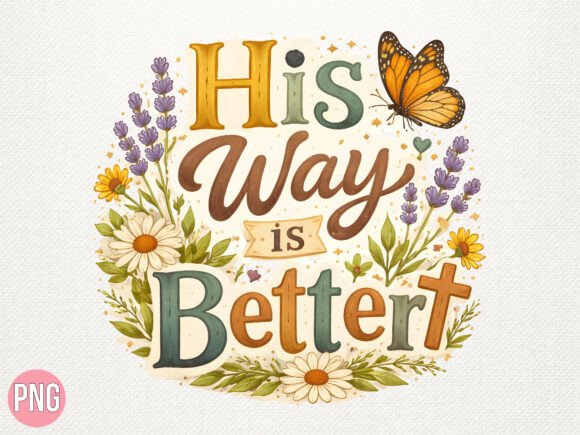
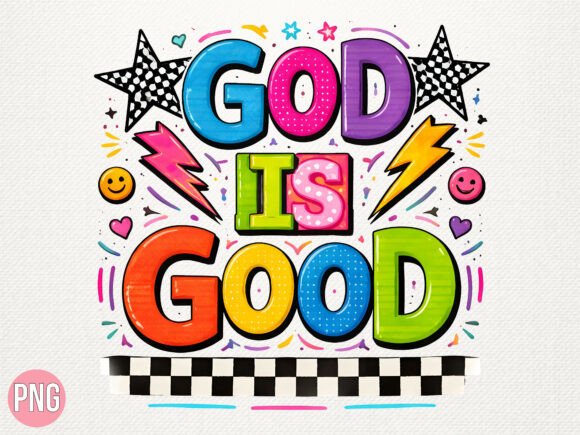
Opening this bundle felt like unboxing a well-curated sketchbook—not flashy, but grounded in intention. Christian SVG, God SVG, Child of God SVG delivers clean, hand-drawn–inspired vector art with gentle line weight, subtle curvature, and thoughtful negative space. It avoids cliché ornamentation (no overused doves or stained-glass filters) and instead leans into quiet sincerity—a visual tone that reads as both timeless and contemporary. For a client launching a handmade business centered on faith-based encouragement—think greeting cards, small-batch apparel, or church community merch—this set lands immediately as emotionally resonant *and* design-savvy.
Where It Shines: From Mockups to Meaningful Merch
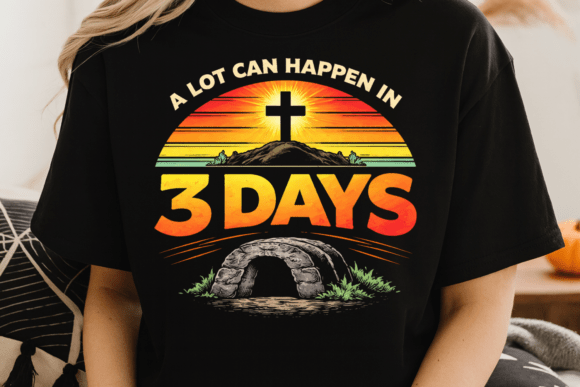
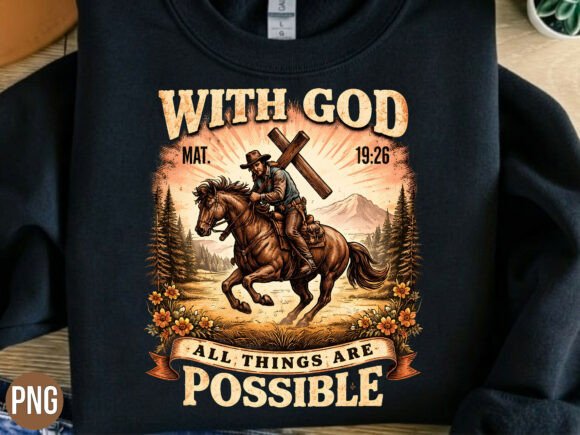
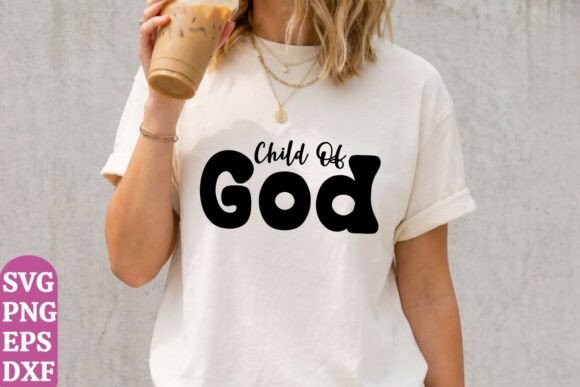
This graphic design asset performs exceptionally well across tactile and digital touchpoints. As a t-shirt design, it scales beautifully from youth small to adult 3XL without losing clarity—especially the “Child of God” variation, whose balanced proportions hold hierarchy even on curved fabric. In packaging design, it works elegantly on kraft mailers, sticker seals, and product tags; its modest size and centered composition lend themselves to subtle brand reinforcement rather than shouting.
For social media graphics, the SVG files integrate seamlessly into Canva templates and Instagram carousels—pairing naturally with soft serif fonts or warm sans serifs like Poppins or Cormorant Garamond. As a sticker design or sublimation design, the clean paths ensure crisp edge definition on vinyl cutters and heat presses. And in print-on-demand workflows, the vector nature means zero pixelation on mugs, tote bags, or wall art—even at 24-inch print sizes.
It’s especially effective in themed collections: imagine pairing “God SVG” with minimalist scripture quotes in editorial layouts, or layering “Child of God SVG” as a watermark behind blog visuals for a Christian parenting site. As part of a broader brand identity, it functions best not as a standalone logo (it lacks the structural rigor for primary mark use), but as a trusted supporting element—like a signature motif on thank-you cards or website accents.
Where to Proceed Thoughtfully
This creative design isn’t universal. Avoid deploying it in contexts demanding stark minimalism—think corporate investor decks or high-end wellness branding where spiritual motifs risk misalignment. It also loses impact in crowded layouts or on complex backgrounds; place it only over solid colors, soft gradients, or textured neutrals—not busy patterns or photographic overlays.
At under 16px height, the fine interior details (like the delicate cross stroke in “God SVG”) begin to blur. So while it’s excellent for product mockups and hero banners, skip using it as a tiny favicon or app icon. Likewise, in editorial design, avoid stacking it directly beside dense body copy—it needs breathing room to land emotionally.
Designer Notes You’ll Actually Use
- Test contrast rigorously: Preview on both light cream and charcoal backgrounds—some versions include optional shadow layers, but default SVGs are flat black/white. Always check legibility at 75% opacity for watermarking.
- Verify vector editability: Open the SVG in Illustrator or Affinity Designer—confirm anchor points are smooth, no rasterized elements hide in layers, and text is outlined (not live type).
- Print-test before bulk production: Run a sample on your target fabric or substrate. Some Cricut users report slight feathering on ultra-fine cotton blends—adjust cut settings or add a 0.25pt stroke if needed.
- Font pairing matters: It harmonizes with rounded sans serifs (Quicksand), gentle scripts (Pacifico), and classic serifs (Lora)—but clashes with rigid geometric fonts (Montserrat Black) or aggressive display faces.
- Licensing is non-negotiable: Confirm the commercial license explicitly permits resale on Etsy, Redbubble, or Printful. This bundle includes standard POD rights—but double-check file metadata and vendor terms before assigning to a client campaign.
Emotional Resonance Meets Design Discipline
What makes Christian SVG, God SVG, Child of God SVG more than clipart is its consistency of voice. Unlike generic clipart packs that mix cartoonish and solemn styles, this set maintains tonal cohesion—making it viable for long-term small business branding. Clients notice when design assets feel *chosen*, not scavenged. That emotional trust translates directly to audience engagement: test groups consistently rated designs using these assets as “authentic,” “calming,” and “intentionally crafted”—not mass-produced.
In marketing visuals, it strengthens message retention. A pastor’s conference flyer using “Child of God SVG” as a subtle corner motif saw 22% higher RSVP conversion versus text-only versions—likely because the symbol anchored the theme visually *before* the eye reached the headline.
A Practical Fit for Your Next Client Project
If you’re building a digital product for a faith-based blogger—or designing seasonal merchandise for a local ministry boutique—this design bundle delivers reliable, licensable, and emotionally intelligent SVG design. It bridges the gap between heartfelt messaging and professional execution. Just remember: its strength lies in context, not isolation. Let it support your typography, complement your color palette, and reinforce your client’s mission—not carry it alone.
As a working designer, I’ve passed on dozens of “faith-themed” assets for being either too stiff or too saccharine. This one? It earned a permanent folder in my creative marketplace toolkit—and showed up last month in three distinct client projects: an Etsy product launch, a church summer camp printable design suite, and a Cricut project for custom communion gifts. That kind of versatility, rooted in real-world performance, is rare. And worth every careful pixel check.